
Moving to Northern Italy
What to know before you relocate
Northern Italy often comes up for practical reasons.
Work opportunities. Infrastructure.
Proximity to other parts of Europe.
For some, it feels like a more natural transition, particularly if you’re coming from a fast-paced city or planning to continue working while you’re here.
But relocating to Northern Italy tends to be more structured — and in many cases, more competitive — than people expect.
If you’re considering moving to Northern Italy, it helps to understand how the process differs — not just where you’ll live, but how the move actually works.
For many, the decision is practical.
Cities like Bologna, Milan and Verona offer:
stronger job markets
well-connected transport networks
easier access to the rest of Europe
more established systems for day-to-day life
There’s also a sense of familiarity.
Things tend to run closer to what many people are used to especially when it comes to services, timing, and expectations.
But that structure also comes with less flexibility.
Why people choose Northern Italy
What’s different in practice?
Relocating to Northern Italy isn’t necessarily harder.
But it does tend to require more preparation. In practice, housing and timing tend to shape the entire process.
In most cases, you’ll find:
housing moves quickly — and is often secured through agencies
documentation matters more — proof of income, contracts, references
processes are less flexible — there’s less room for negotiation or informal arrangements
timing becomes important — particularly when coordinating housing, residency and appointments
There’s generally less of the “figure it out as you go” approach that can sometimes work in the south.
That doesn’t make it better or worse — just different.
Choosing the right city
Northern Italy isn’t one experience.
Each city has its own pace, pressure points, and expectations.
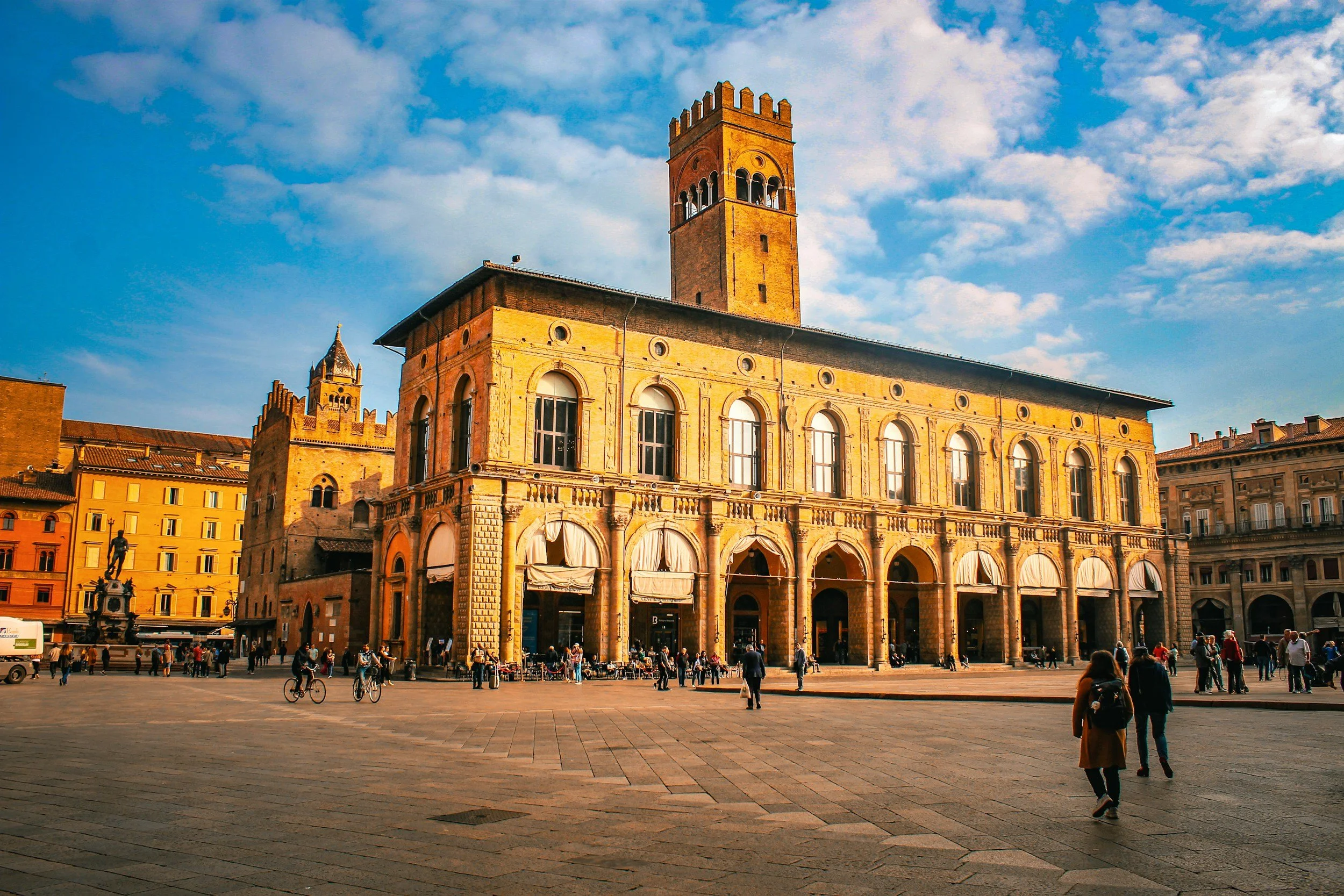
Bologna
Often chosen for its balance; a university city with strong infrastructure and a manageable scale.
It’s well-connected and liveable, but the rental market is competitive and moves quickly.
→ Read our guide to moving to Bologna
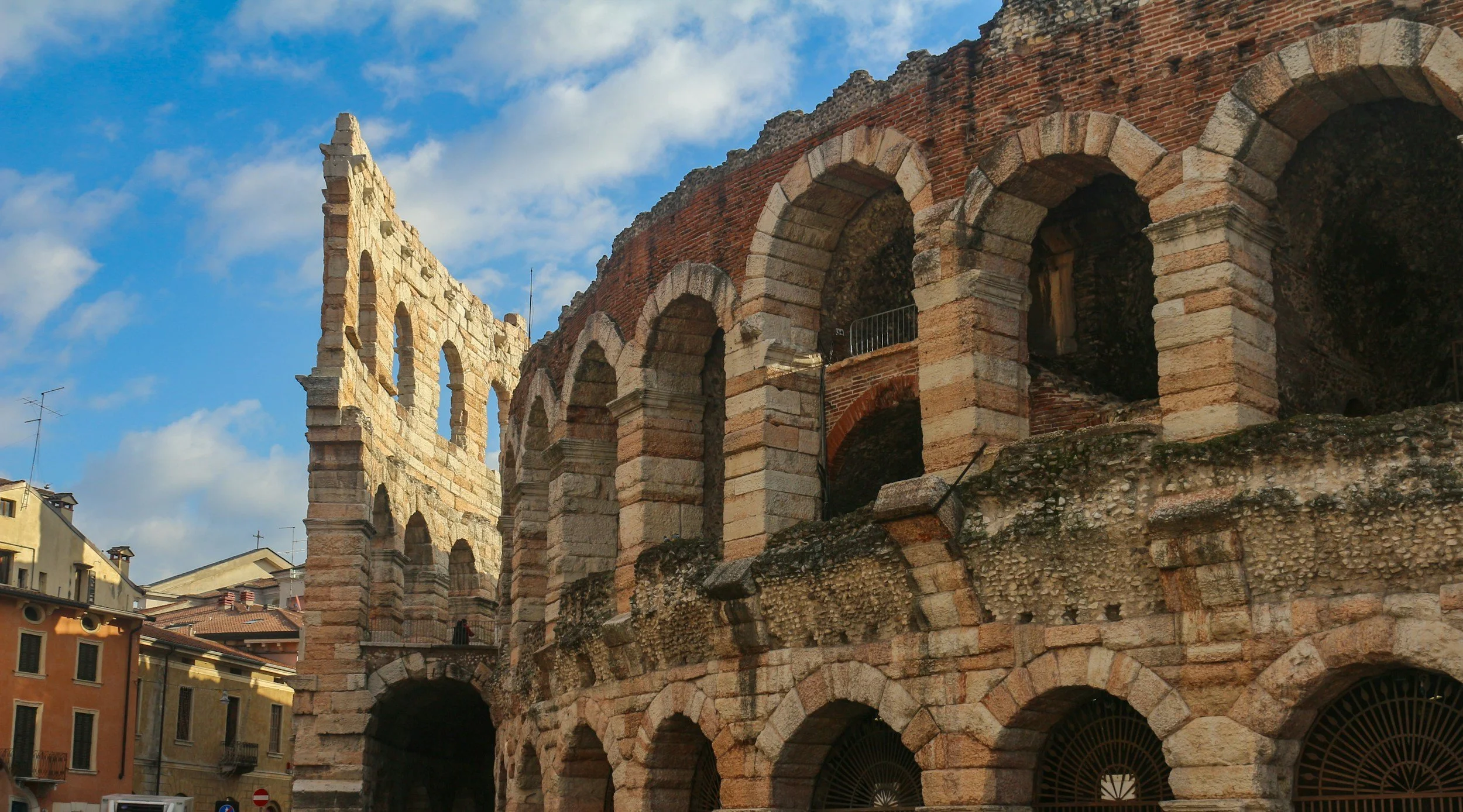
Verona
Smaller, more lifestyle-led, with proximity to both Milan and Venice.
A popular choice for those wanting a quieter base without losing access to larger cities.
→ Read our guide to moving to Verona
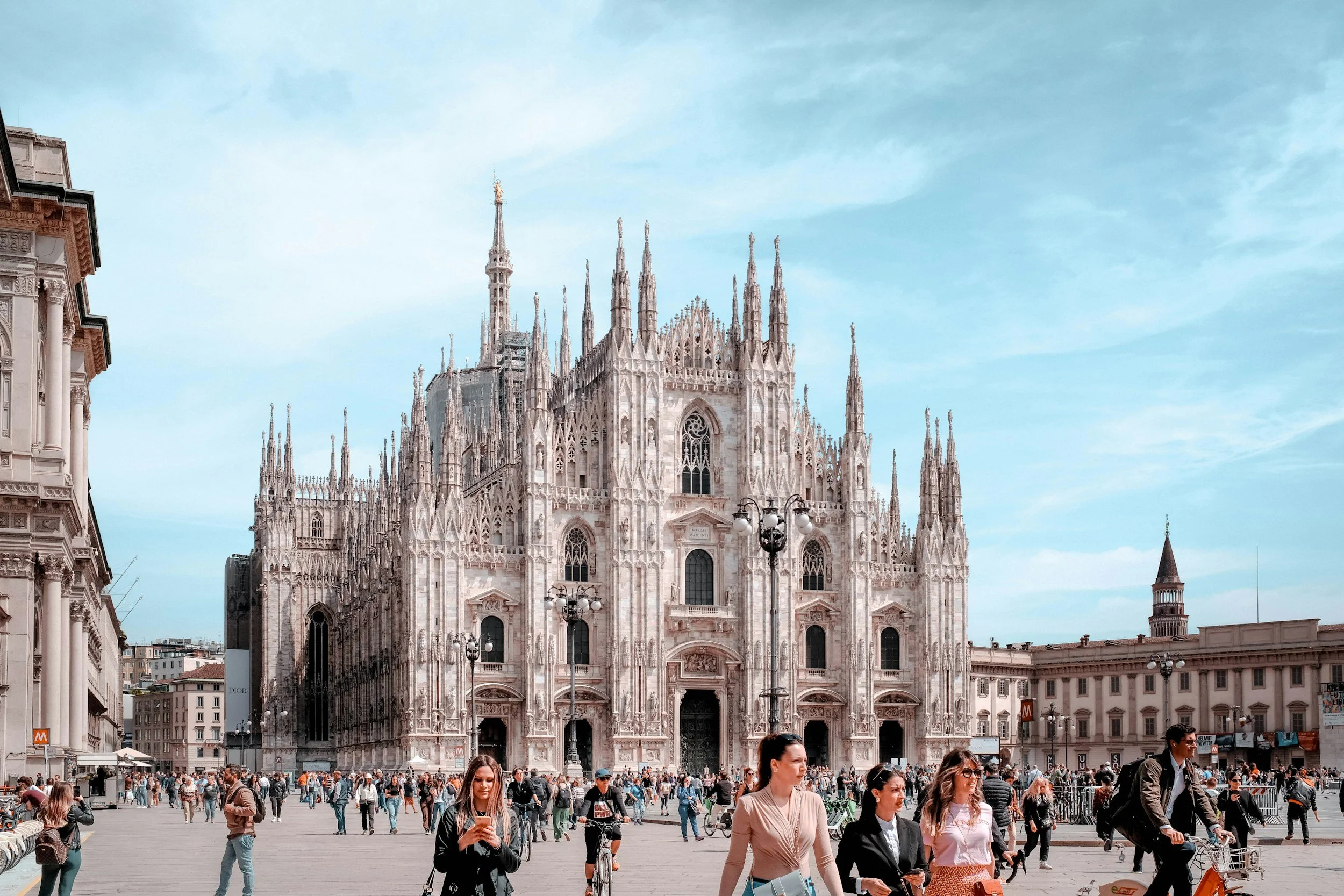
Milan
Italy’s financial and business centre.
Fast-paced, expensive, and highly competitive, particularly when it comes to housing.
Best suited to those relocating for work or already familiar with city living at that level.
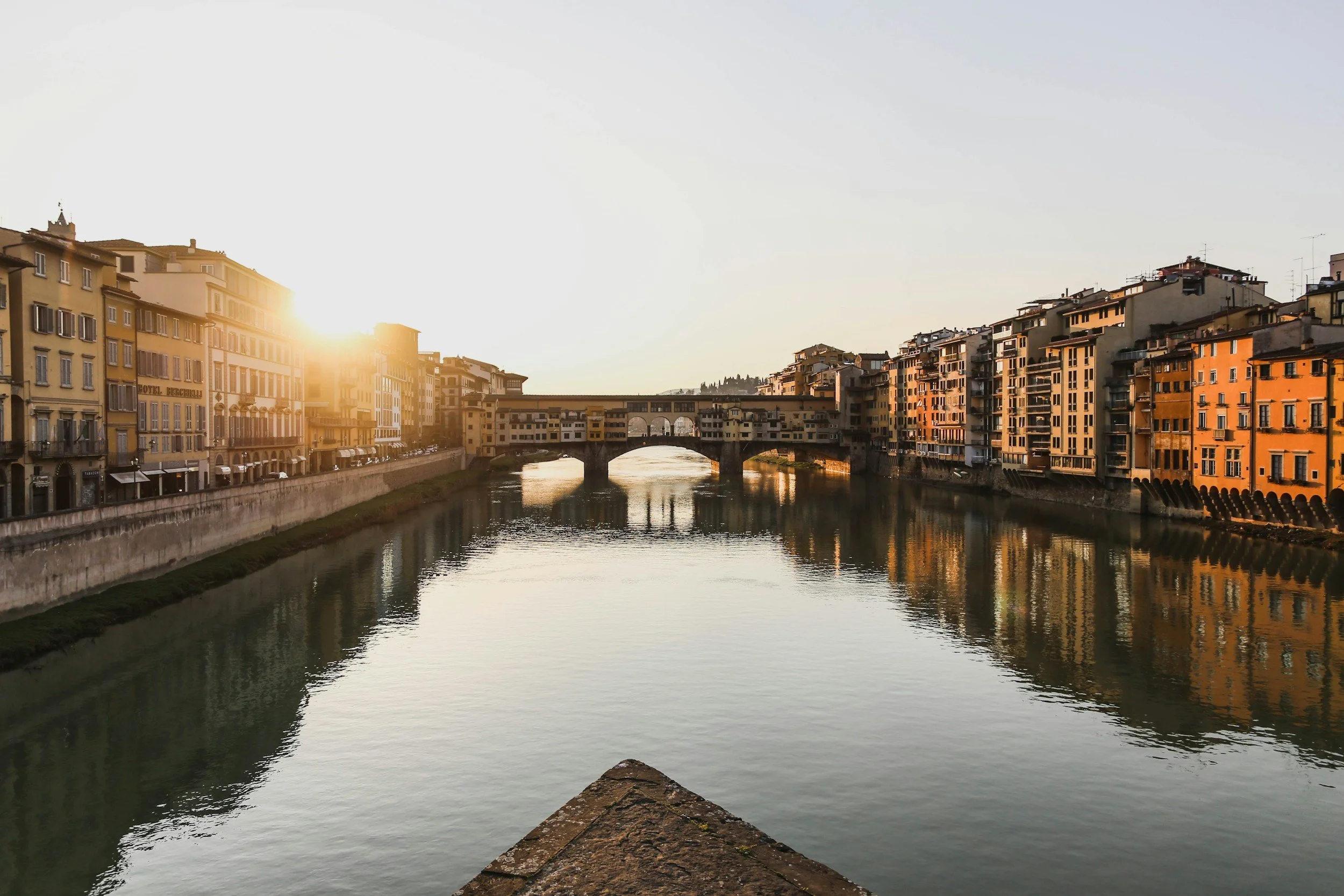
Florence
Culturally rich and widely known, but heavily impacted by tourism.
Housing can be complex, with a high proportion of short-term rentals and limited long-term availability in central areas.
Housing in Northern Italy
This is often where expectations and reality diverge.
While there may appear to be plenty of listings online, access to suitable long-term rentals tends to depend on:
timing
documentation
local relationships
and understanding how the process works in that specific city
In many cases, properties are secured quickly, and viewings are arranged locally rather than from abroad.
Contracts also vary, and it’s important to understand what you’re signing — particularly if it relates to residency or longer-term plans.
How to move to Northern Italy
The process depends on your pathway, whether that’s citizenship, a visa, or relocation through work.
In most cases, it involves understanding your legal eligibility, securing housing, registering residency, and coordinating the timing across each step.
Approaching this in the right order tends to make a significant difference — particularly in cities where processes are more structured and less flexible.
Working with local support
Because processes vary significantly between cities, having the right local guidance can make a noticeable difference.
We work with trusted partners across Northern and Central Italy who assist with:
housing search and coordination
administrative processes
local requirements that aren’t always visible from abroad
This tends to become more important in cities where competition is higher and timelines are tighter.
Whether you’re applying through Italian citizenship or a visa, the process in Northern Italy tends to be more structured at each stage.
How to approach your move
Most people don’t start with a city.
They start with a question.
What’s possible?
What applies to me?
And how does this actually work?
From there, the process becomes clearer.
Clarity Call — to understand your pathway (citizenship, visa, or relocation)
Planning Session — to map timing, location and next steps
Visit first (if needed) — to understand how different cities actually feel in practice
Relocating to Northern Italy can work very well — but it tends to reward a more structured approach.
Start here
If you’re considering Northern Italy but aren’t sure where you fit yet, the best place to begin is with a Clarity Call.
From there, we can help you understand what’s realistic for your situation and how to approach the move in a way that makes sense from the start.
FAQs: Moving to Northern Italy
-
Not necessarily. While Northern Italy can feel more familiar in terms of infrastructure and services, the process is often more structured. Housing markets are tighter, documentation requirements tend to be stricter, and there’s generally less flexibility in how things are handled.
-
This depends on what you’re looking for. Bologna is often chosen for its balance and liveability, Milan for work opportunities, and Verona for a slower pace with access to larger cities. Florence is popular, but housing can be more complex due to tourism.
-
It can be challenging. Many rentals are arranged locally and move quickly, particularly in cities like Bologna and Milan. In most cases, it’s easier to secure housing once you’re on the ground or with local support in place.
-
Generally, yes — particularly in cities like Milan and Florence. Costs vary depending on location and lifestyle, but rent and day-to-day expenses tend to be higher than in Southern Italy.
-
In larger cities, you may find more English spoken, particularly in professional environments. However, Italian is still important for everyday life, administration, and housing — especially when dealing with contracts or local processes.
-
It usually comes down to priorities. Northern Italy tends to offer more structure, faster pace and stronger infrastructure. Southern Italy often offers more flexibility and a different lifestyle rhythm. The right choice depends on how you want to live day to day.
-
Most people start by understanding what’s actually possible for them — whether that’s citizenship, a visa, or a relocation pathway. From there, decisions around location and timing become much clearer.
-
In most cases, yes. Spending time in your chosen city before committing can make a significant difference, especially when it comes to understanding areas, navigating the rental market, and getting a realistic sense of how day-to-day life works. In Northern Italy, where processes tend to be more structured, using that time intentionally can help avoid delays or missteps later.
If you’re considering Northern Italy but aren’t sure how it applies to your situation, you can start with a
Clarity Call to understand your options and next steps.
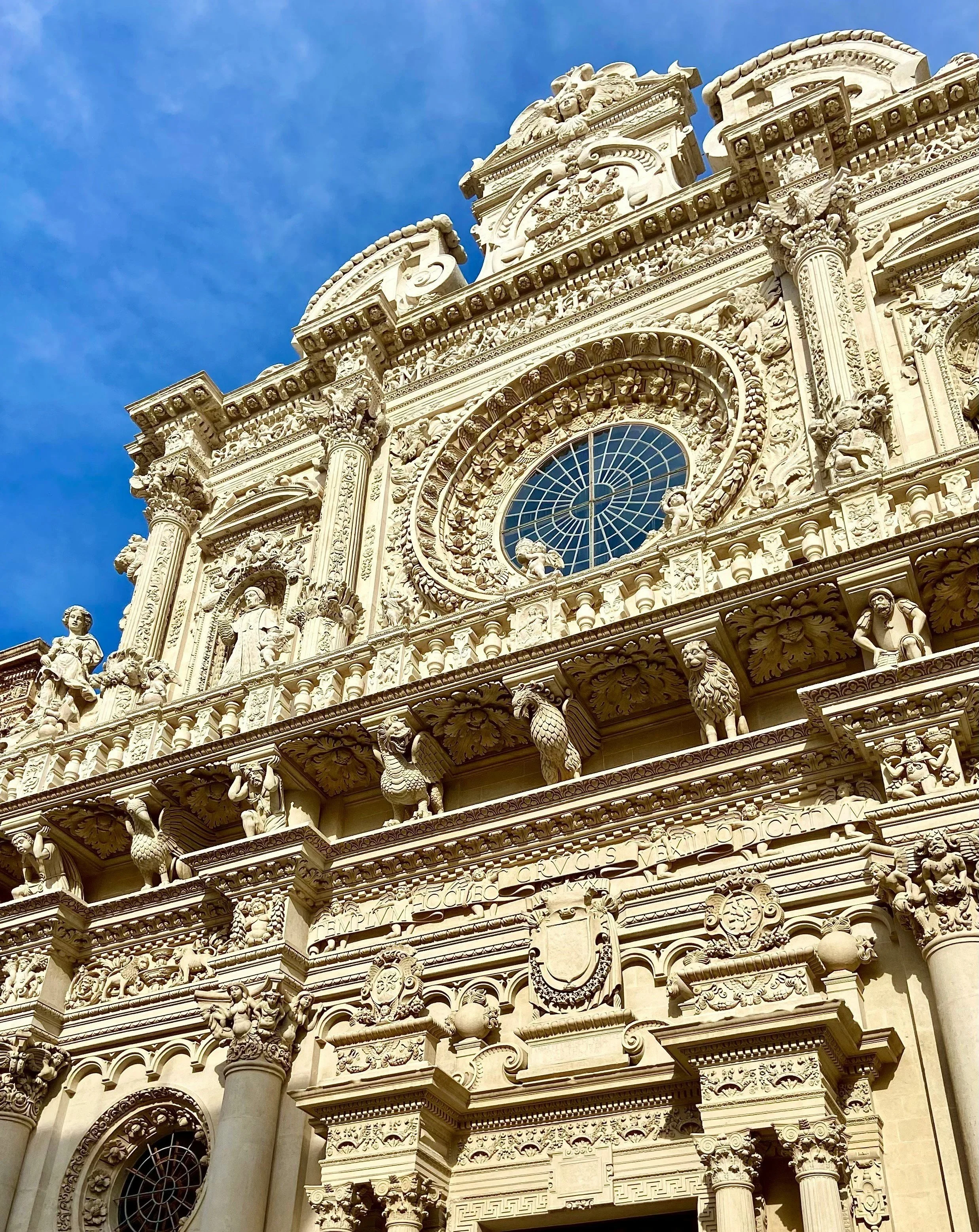
Learn about Visas
Understand the legal pathways, timelines and requirements for moving to Italy.
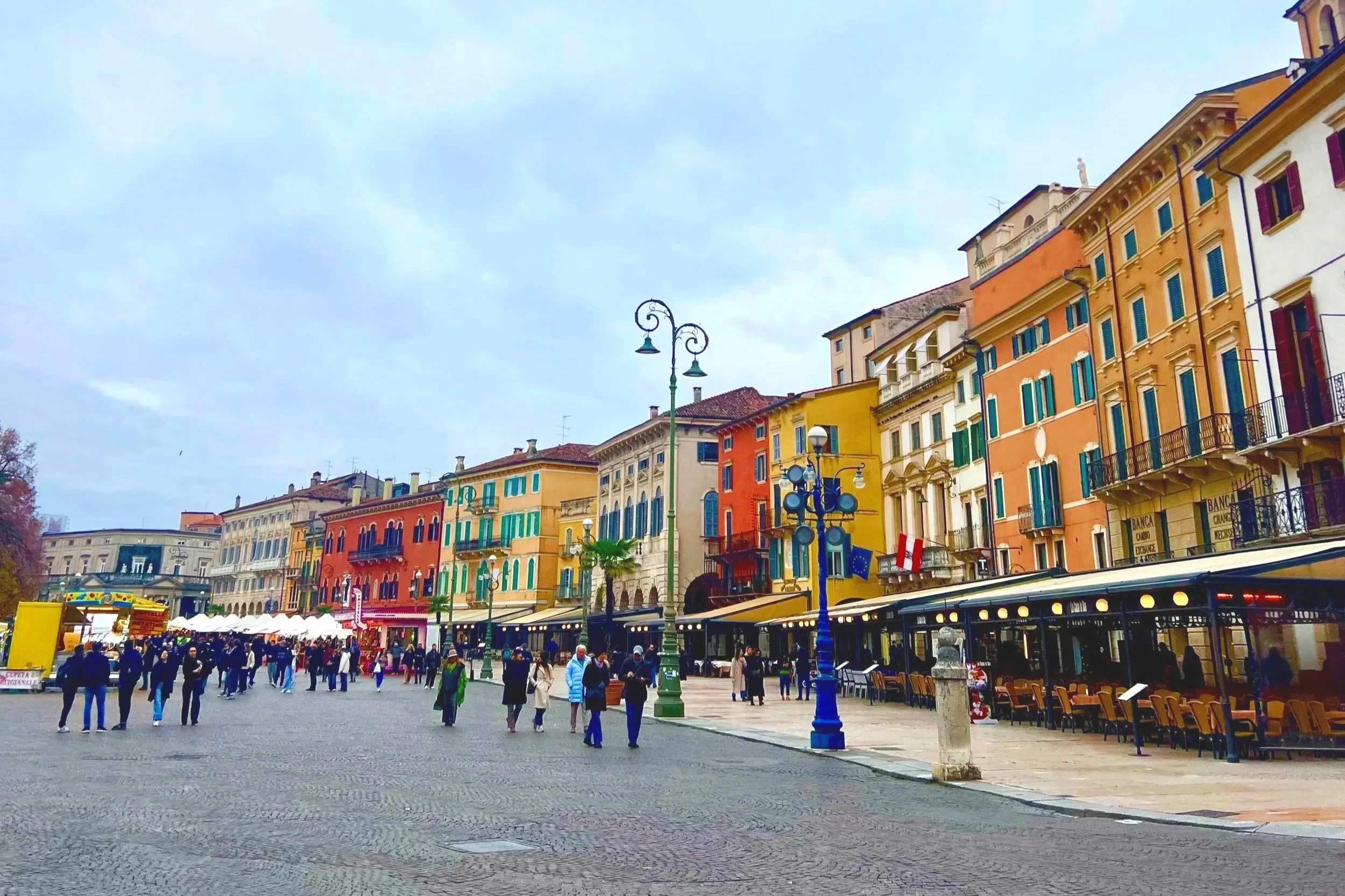
Compare Regions
Explore the differences between northern and southern Italy before choosing where to land.
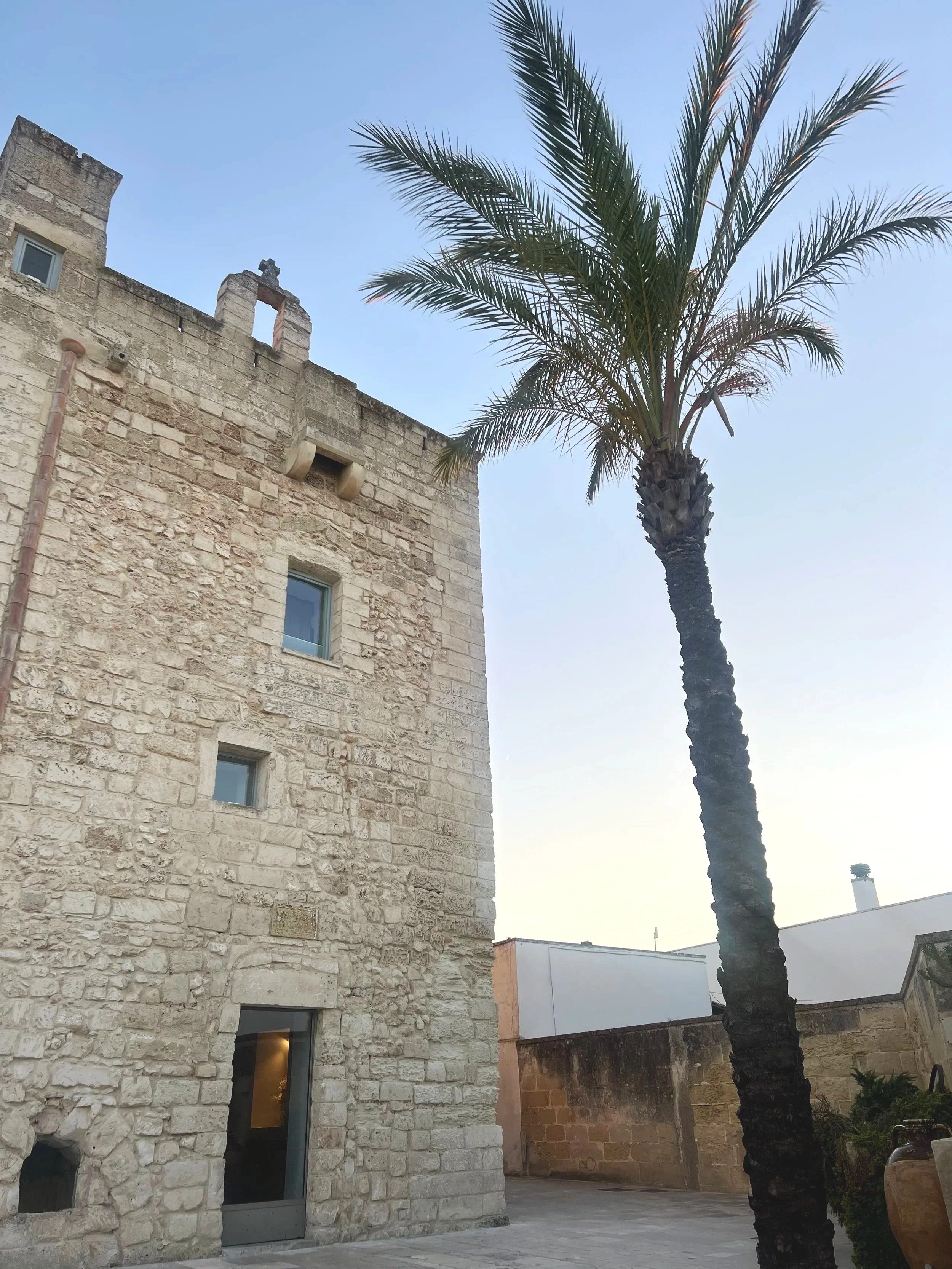
Explore Salento
A practical guide to relocating to Salento — housing, costs and daily life.

Start a Conversation
Get personal guidance on visas, relocation and
settling in.
If you’re considering this path..
You do not need to decide everything today. You don’t need all the answers yet.
If the idea of moving to southern Italy has been quietly persistent in you, that’s enough to pay attention to for now.
You’re welcome to read, reflect, and take your time with the question.
If you want to get clear on your best pathway (citizenship vs visa) and realistic timelines, a Clarity Call is the simplest next step.